


Dr. Divyansh Singh for Pain Management

Pain Specialist Can Improve Your Quality of Life
Blogs

How a Pain Specialist Can Improve Your Quality of Life

Living with ongoing pain can quietly take over your days. It affects how you sleep, work, move and even enjoy time with family. Many people keep pushing through or try random remedies, hoping things will get better on their own. As a Pain Specialist in Ghaziabad, I regularly meet patients who are surprised at how much better life can feel once their pain is properly understood and managed. A pain specialist does more than just prescribe stronger medicines. The real work starts with finding out why the pain is happening in the first place. Back pain, neck pain, joint pain, nerve pain or pain after an injury or surgery – each has different causes. A proper assessment looks at your history, daily habits, posture, movement patterns and any previous treatments that did or did not help. This clear picture helps create a plan that actually fits you instead of a one-size-fits-all approach.One of the biggest improvements patients notice is better daily function. When pain reduces, simple things become easier – walking longer, sitting at work without constant discomfort, sleeping through the night or playing with children. These small gains add up and restore a sense of normal life that many people had started to lose. Pain specialists also help reduce dependence on long-term medicines. While medicines have a role, relying only on them is rarely the best long-term solution. A balanced plan often includes guided exercises, posture correction, lifestyle adjustments and sometimes targeted procedures when needed. The goal is not just temporary relief but lasting improvement and fewer side effects. Another important part is reducing fear and frustration. Chronic pain often brings worry – “Will this get worse?”, “Is something serious being missed?”, “Do I have to live like this forever?” Clear explanation and a practical plan replace uncertainty with direction. Patients feel more in control when they understand what is happening and what steps can help. Many people wait too long before seeing a specialist. They try rest, home remedies, or general advice first. While some mild pain settles on its own, pain that lasts weeks or months usually needs focused attention. Early proper care often prevents the problem from becoming more stubborn and harder to treat.Quality of life is not only about the absence of pain. It is about being able to do the things that matter to you with less struggle. Whether it is returning to work comfortably, enjoying walks, travelling or simply feeling less drained at the end of the day – these are realistic goals when pain is managed well.If pain has been limiting your life, you do not have to accept it as permanent. The right assessment and a clear plan can make a real difference in how you feel and what you can do every day. For personalised care focused on lasting improvement, visit the Pain Management Clinic in Ghaziabad, Divya Nursing Home under Dr. Divyansh Singh. Frequently Asked Questions


Common Pain Relief Myths | Dr. Divyansh Singh
Blogs

Pain Relief Myths You Should Stop Believing Today

If you’ve been dealing with back pain, joint aches or any kind of long-term discomfort, you’ve probably heard a lot of advice. Some of it is helpful. A lot of it is not. As a Pain Specialist in Ghaziabad, I see patients every week who have been following tips that sound right but actually slow down their recovery. Let’s clear up the most common myths so you can make better choices for your body. Myth 1: Rest is the best treatment for pain Many people think the moment something hurts, they should stop moving completely. While short rest after an injury is useful, staying inactive for days or weeks often makes things worse. Muscles get weaker, joints get stiffer and pain can stick around longer. Gentle movement, guided by a doctor, usually helps more than lying in bed. Myth 2: Pain means something is seriously damaged Pain is a warning signal, but it does not always mean permanent damage. Sometimes the nerves become over-sensitive even after the original problem has improved. This is why some people continue to hurt even when scans look normal. Understanding this difference helps reduce fear and anxiety around pain. Myth 3: Strong painkillers are the only real solution Medicines can give temporary relief, but they are rarely the complete answer for long-term pain. Relying only on tablets can lead to side effects and does not fix the root cause. Better results usually come from a mix of the right medicines (when needed), exercises, posture correction and other treatments planned for your specific problem. Myth 4: You have to live with chronic pain This is one of the most harmful beliefs. Many people accept ongoing pain as a normal part of ageing or life. In reality, a large number of chronic pain conditions can be reduced or managed well with the right approach. Early and proper care makes a big difference. Myth 5: Heat or ice alone will fix everything Heat and ice can feel good and reduce discomfort for a short time, but they are not complete treatments. They help with symptoms. They do not correct muscle imbalances, nerve issues or joint problems that keep the pain coming back. Myth 6: Surgery is always the final answer Surgery is sometimes necessary, but it is not the first or only option for most pain conditions. Many patients improve with non-surgical methods when these are chosen carefully and followed properly. Jumping straight to surgery without exploring other proven options is rarely the best path. The truth is simple: pain is complex and quick fixes rarely work for long. What works is understanding the real reason behind your pain and treating it step by step. Avoid random advice from the internet or well-meaning friends. Get assessed by someone who deals with pain every day.If you have been struggling with pain that does not improve, do not ignore it or keep trying the same things that have already failed. Accurate diagnosis and a clear plan can change how you feel and how you live. At the end of the day, good pain care is about getting the right information and the right support. If you need proper evaluation and treatment, visit the Pain Management Clinic in Ghaziabad, Divya Nursing Home, where focused care is available under Dr. Divyansh Singh. Frequently Asked Questions
Top Questions to Ask Your Pain Management Doctor
Blogs

Top Questions to Ask Your Pain Management Doctor

Choosing the right doctor for your pain is an important step toward feeling better. When you visit a specialist, coming prepared with the right questions helps you understand your condition and treatment options clearly. As a Pain Management Doctor in Ghaziabad, Dr. Divyansh Singh often sees patients who feel confused or unsure during their first few visits. Asking good questions builds confidence and leads to better care. Here are the most important questions you should ask during your appointment. Feel free to write them down and take notes. 1. What is causing my pain? This is often the first and most important question. Understanding the root cause—whether it is nerve damage, muscle strain, joint issues or something else—helps you know why you hurt and what can be done. Sometimes pain has more than one cause and knowing this prevents unnecessary worry. 2. What type of pain do I have? Doctors usually describe pain as nociceptive (from tissue damage), neuropathic (nerve-related) or mixed. Asking this helps you learn if your pain is from inflammation, damaged nerves or both. Different types respond better to different treatments. 3. What are all my treatment options? Don’t stop at medicines. Ask about physiotherapy, lifestyle changes, injections, nerve blocks, minimally invasive procedures and newer options like regenerative therapies. A good doctor will explain the pros and cons of each so you can make an informed choice. 4. Are there non-medicine treatments that can help me? Many patients want to reduce or avoid long-term medicines. Ask about exercise plans, diet tips, mind-body techniques like breathing exercises or mindfulness, acupuncture or TENS machines. These approaches often work well when combined with other treatments. 5. What are the possible side effects and risks? Every treatment has some risks. Be clear about what could go wrong with medicines, injections or procedures. Also ask how common these problems are and what to do if they happen. This helps you weigh benefits against risks. 6. How long will it take to see improvement? Set realistic expectations. Some treatments bring quick relief, while others take weeks or months. Ask about short-term and long-term plans so you know what to expect. 7. How will we measure if the treatment is working? Pain is personal. Ask how progress will be tracked—through pain diaries, function tests or follow-up visits. Clear goals make it easier to adjust the plan if needed. 8. What should I do on a daily basis? Good doctors give practical advice for home. Ask about safe exercises, posture tips, sleep habits, diet changes and activities to avoid. Daily self-care is a big part of long-term success. 9. When should I call you or come back sooner? Know the warning signs. Ask about red flags like sudden increase in pain, weakness, numbness, fever or loss of bladder control that need immediate attention. 10. What is the expected long-term outlook? It is helpful to know if the goal is complete relief, better daily functioning or steady improvement. Ask about the chances of recurrence and how to prevent flare-ups. Bonus Questions for Specific Situations • How does my other health conditions or medicines affect the treatment?• Are there any tests I still need?• Can I get a second opinion if I want?• Are there support groups or counselling options available? FAQs Preparing these questions will help you get the most out of every visit. Pain management is a team effort between you and your doctor. The more you understand, the better you can participate in your healing journey. Don’t let pain control your life any longer. If you or your loved one is struggling with ongoing pain, book a consultation with an experienced Dr. Divyansh Singh, Pain Specialist in Ghaziabad who listens carefully and creates a personalized plan for you.

Pain Management Clinic in Ghaziabad
Blogs

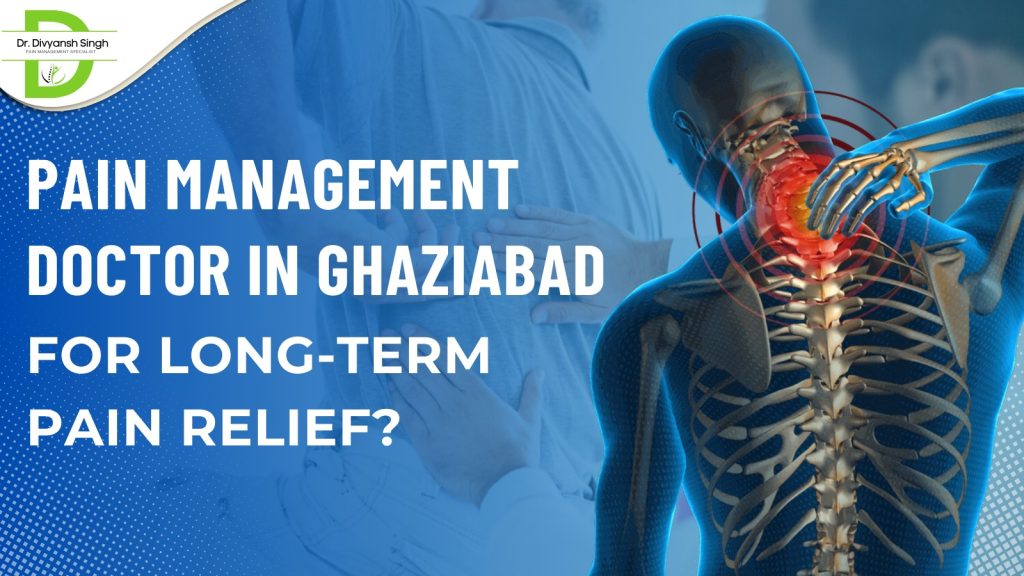
Which is the Best Pain Management Doctor in Ghaziabad for Long-Term Pain Relief?

Living with chronic pain can greatly affect your quality of life, making it essential to consult a skilled Pain Management Doctor in Ghaziabad who can provide effective, long-term solutions. Among the many specialists in the region, Dr. Divyansh Singh stands out as one of the most recommended Pain Specialists in Ghaziabad for his expertise, compassionate care, and advanced treatment approaches. Why Choose Dr. Divyansh Singh for Pain Management? Dr. Divyansh Singh is a renowned pain management specialist with extensive experience in treating chronic pain conditions such as: His patient-centered approach focuses on identifying the root cause of pain through detailed diagnostics, ensuring customized treatment plans that prioritize long-term relief rather than short-term fixes. With in-depth expertise in both surgical and non-surgical interventions, Dr. Singh uses the latest techniques like: These minimally invasive methods help patients recover faster with reduced discomfort. Additionally, Dr. Singh emphasizes lifestyle changes and physical therapy alongside medical treatments to ensure sustainable pain relief. What Sets Dr. Divyansh Singh Apart? Finding the Right Pain Specialist in Ghaziabad When choosing a Pain Specialist in Ghaziabad, factors like expertise, patient feedback, and access to modern facilities should be considered. Dr. Divyansh Singh practices at leading hospitals such as Max Super Speciality Hospital, Vaishali, which is equipped with state-of-the-art pain management facilities. He is especially skilled in treating complex conditions such as: This makes him a top choice for those seeking reliable and long-lasting relief. Conclusion For individuals struggling with chronic pain, Dr. Divyansh Singh is a trusted name in Ghaziabad. His blend of expertise, advanced technology, and compassionate care ensures patients achieve long-term relief and improved quality of life. 👉 To book an appointment with Dr. Divyansh Singh, visit the hospital’s website or contact the pain management clinic directly.

Scroll to Top