

Blogs

Top Questions to Ask Your Pain Management Doctor
Blogs

Top Questions to Ask Your Pain Management Doctor

Choosing the right doctor for your pain is an important step toward feeling better. When you visit a specialist, coming prepared with the right questions helps you understand your condition and treatment options clearly. As a Pain Management Doctor in Ghaziabad, Dr. Divyansh Singh often sees patients who feel confused or unsure during their first few visits. Asking good questions builds confidence and leads to better care. Here are the most important questions you should ask during your appointment. Feel free to write them down and take notes. 1. What is causing my pain? This is often the first and most important question. Understanding the root cause—whether it is nerve damage, muscle strain, joint issues or something else—helps you know why you hurt and what can be done. Sometimes pain has more than one cause and knowing this prevents unnecessary worry. 2. What type of pain do I have? Doctors usually describe pain as nociceptive (from tissue damage), neuropathic (nerve-related) or mixed. Asking this helps you learn if your pain is from inflammation, damaged nerves or both. Different types respond better to different treatments. 3. What are all my treatment options? Don’t stop at medicines. Ask about physiotherapy, lifestyle changes, injections, nerve blocks, minimally invasive procedures and newer options like regenerative therapies. A good doctor will explain the pros and cons of each so you can make an informed choice. 4. Are there non-medicine treatments that can help me? Many patients want to reduce or avoid long-term medicines. Ask about exercise plans, diet tips, mind-body techniques like breathing exercises or mindfulness, acupuncture or TENS machines. These approaches often work well when combined with other treatments. 5. What are the possible side effects and risks? Every treatment has some risks. Be clear about what could go wrong with medicines, injections or procedures. Also ask how common these problems are and what to do if they happen. This helps you weigh benefits against risks. 6. How long will it take to see improvement? Set realistic expectations. Some treatments bring quick relief, while others take weeks or months. Ask about short-term and long-term plans so you know what to expect. 7. How will we measure if the treatment is working? Pain is personal. Ask how progress will be tracked—through pain diaries, function tests or follow-up visits. Clear goals make it easier to adjust the plan if needed. 8. What should I do on a daily basis? Good doctors give practical advice for home. Ask about safe exercises, posture tips, sleep habits, diet changes and activities to avoid. Daily self-care is a big part of long-term success. 9. When should I call you or come back sooner? Know the warning signs. Ask about red flags like sudden increase in pain, weakness, numbness, fever or loss of bladder control that need immediate attention. 10. What is the expected long-term outlook? It is helpful to know if the goal is complete relief, better daily functioning or steady improvement. Ask about the chances of recurrence and how to prevent flare-ups. Bonus Questions for Specific Situations • How does my other health conditions or medicines affect the treatment?• Are there any tests I still need?• Can I get a second opinion if I want?• Are there support groups or counselling options available? FAQs Preparing these questions will help you get the most out of every visit. Pain management is a team effort between you and your doctor. The more you understand, the better you can participate in your healing journey. Don’t let pain control your life any longer. If you or your loved one is struggling with ongoing pain, book a consultation with an experienced Dr. Divyansh Singh, Pain Specialist in Ghaziabad who listens carefully and creates a personalized plan for you.

How to Manage Chronic Pain Daily Lifestyle
Blogs

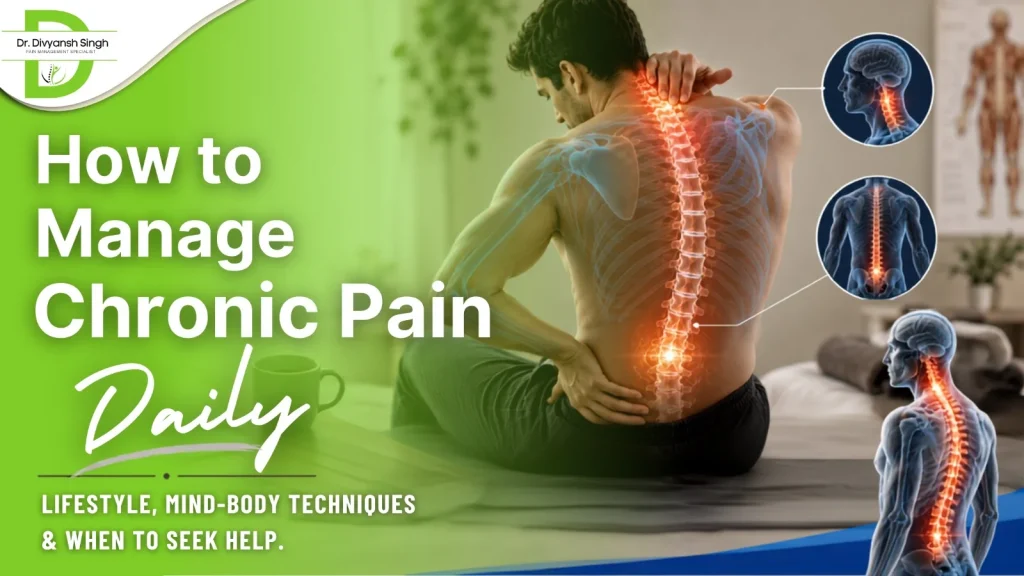
How to Manage Chronic Pain Daily: Lifestyle, Mind-Body Techniques & When to Seek Help

Living with chronic pain can feel exhausting and overwhelming. Simple daily activities that others take for granted often become difficult. As a Pain Management Doctor in Ghaziabad, Dr. Divyansh Singh has helped many patients find practical ways to reduce their discomfort and enjoy better days. The good news is that you don’t have to rely only on medicines. Small changes in lifestyle and mind-body practices can make a real difference when done regularly. Start with Lifestyle Changes Your daily habits play a big role in how pain feels. Begin by moving gently. Walking, swimming, or light stretching for 20-30 minutes most days helps improve blood flow, strengthen muscles, and release natural pain-fighting chemicals in your body. Avoid long periods of sitting or standing in one position—set a timer to move every hour. Pay attention to your food. Include anti-inflammatory items like fresh fruits, vegetables, nuts, turmeric, and fatty fish. Cut down on processed foods, too much sugar, and fried items that can increase swelling and pain. Drinking plenty of water is equally important—dehydration often makes pain feel worse. Good sleep is powerful medicine. Follow a fixed bedtime routine: dim lights, avoid screens one hour before bed, and keep your room cool and dark. A supportive mattress and pillow can prevent extra strain on your back or neck. Maintain a healthy weight. Even losing a few kilograms can reduce pressure on joints and the spine, bringing noticeable relief. Mind-Body Techniques That Work Your mind and body are closely connected. Stress and worry can turn up the volume on pain, while calm techniques can turn it down. Breathing exercises are simple and effective. Try this: Sit comfortably, breathe in slowly through your nose for four counts, hold for four, and breathe out through your mouth for six. Do this for five minutes when pain increases or when you feel tense. Mindfulness and meditation help you observe pain without getting overwhelmed by it. Many patients use free apps with short guided sessions. Even focusing on your breath for ten minutes daily trains the brain to handle discomfort better. Gentle yoga or tai chi combines movement with breathing. Choose pain-friendly poses and avoid forcing your body. Over time, these improve flexibility and reduce stiffness. Journaling can be surprisingly helpful. Write down what makes your pain better or worse each day. This helps you spot patterns and feel more in control. When to Seek Professional Help While self-care is important, some situations need expert attention. See a doctor if pain suddenly worsens, wakes you up at night, comes with numbness, weakness, or bowel/bladder problems. If simple home steps don’t help after a few weeks, or if pain is affecting your work and relationships, don’t wait.Advanced options like targeted injections, nerve blocks, or modern therapies can provide longer relief when daily methods are not enough. FAQs Managing chronic pain is a journey, not a quick fix. Combine gentle movement, healthy eating, restful sleep, and calming mind-body practices. Celebrate small wins—they add up over time. If your pain is holding you back from living fully, expert guidance can open new doors. Consult with an experienced Dr. Divyansh Singh, Pain Specialist in Ghaziabad to create a plan that suits your unique needs.

Pain Management Clinic in Ghaziabad
Blogs

Which is the Best Pain Management Doctor in Ghaziabad for Long-Term Pain Relief?

Living with chronic pain can greatly affect your quality of life, making it essential to consult a skilled Pain Management Doctor in Ghaziabad who can provide effective, long-term solutions. Among the many specialists in the region, Dr. Divyansh Singh stands out as one of the most recommended Pain Specialists in Ghaziabad for his expertise, compassionate care, and advanced treatment approaches. Why Choose Dr. Divyansh Singh for Pain Management? Dr. Divyansh Singh is a renowned pain management specialist with extensive experience in treating chronic pain conditions such as: His patient-centered approach focuses on identifying the root cause of pain through detailed diagnostics, ensuring customized treatment plans that prioritize long-term relief rather than short-term fixes. With in-depth expertise in both surgical and non-surgical interventions, Dr. Singh uses the latest techniques like: These minimally invasive methods help patients recover faster with reduced discomfort. Additionally, Dr. Singh emphasizes lifestyle changes and physical therapy alongside medical treatments to ensure sustainable pain relief. What Sets Dr. Divyansh Singh Apart? Finding the Right Pain Specialist in Ghaziabad When choosing a Pain Specialist in Ghaziabad, factors like expertise, patient feedback, and access to modern facilities should be considered. Dr. Divyansh Singh practices at leading hospitals such as Max Super Speciality Hospital, Vaishali, which is equipped with state-of-the-art pain management facilities. He is especially skilled in treating complex conditions such as: This makes him a top choice for those seeking reliable and long-lasting relief. Conclusion For individuals struggling with chronic pain, Dr. Divyansh Singh is a trusted name in Ghaziabad. His blend of expertise, advanced technology, and compassionate care ensures patients achieve long-term relief and improved quality of life. 👉 To book an appointment with Dr. Divyansh Singh, visit the hospital’s website or contact the pain management clinic directly.

Blogs

Know About Migraine

Migraine is a neurological disorder that causes recurring headaches, often accompanied by other symptoms such as nausea, vomiting, and sensitivity to light and sound. Symptoms Causes Diagnosis Migraine diagnosis is based on a physical exam and medical history. Your doctor may also order tests to rule out other causes of your headaches. These tests may include: Treatment Prevention Myths and Facts Myth: Migraines are just bad headaches. Fact: Migraines are a neurological disorder with a range of symptoms that can significantly affect quality of life. Myth: Migraines only affect women. Fact: While women are more likely to experience migraines, men can also suffer from this condition. Myth: Migraines can be cured with medication. Fact: There is no cure for migraines, but medication and lifestyle changes can help manage symptoms and prevent future attacks. FAQs Q: Are migraines hereditary? A: Yes, there is a genetic component to migraines, and having a family history of migraines increases the risk of developing the condition. Q: Can migraines be prevented? A: Yes, identifying and avoiding triggers, getting regular exercise, establishing a regular sleep pattern, and taking preventive medication can all help prevent migraines. Q: How long do migraines last? A: Migraines can last anywhere from a few hours to several days.

Blogs

10 Easy Home Remedies For Migraine Relief

Migraine headaches can be tough to handle, but there are simple and natural ways to find relief. Check out these 10 home remedies that might help ease your migraine symptoms: Remember, these remedies can be helpful, but severe or frequent migraines need professional attention. Talk to a doctor for the best advice tailored to your needs.

Blogs

Simple Exercises To Alleviate Migraines Naturally

Migraine headaches can disrupt daily life, but simple exercises can offer natural relief without the need for medication. In this blog, we’ll explore a variety of easy exercises designed to ease migraine symptoms and even help prevent them. Incorporating these straightforward exercises into your routine can help manage and prevent migraines. Consult a healthcare professional before starting a new exercise regimen, especially if you have underlying health conditions. These exercises, combined with a healthy lifestyle and stress management, can contribute to a reduction in migraine impact.

Blogs

Migraine-Friendly Foods: Your Path To Relief

Managing migraines often involves making mindful dietary choices. Certain foods can trigger or exacerbate migraine headaches, while others offer relief and support. In this blog, we’ll explore a range of foods that are considered migraine-friendly, helping you navigate your way to better health. Leafy Greens: Leafy greens such as spinach, kale, and Swiss chard are rich in magnesium, a mineral that may help reduce the frequency and severity of migraines. Fatty Fish: Salmon, mackerel, and sardines are packed with omega-3 fatty acids. These healthy fats have anti-inflammatory properties that might provide relief from migraine symptoms. Quinoa and Whole Grains: Incorporating whole grains like quinoa, brown rice, and oats into your diet can stabilize blood sugar levels and prevent drastic spikes that could trigger migraines. Ginger: Ginger has natural anti-inflammatory and anti-nausea properties. Consuming ginger tea or adding fresh ginger to your meals may help alleviate migraine symptoms. Nuts and Seeds: Almonds, walnuts, and flaxseeds are excellent sources of magnesium and healthy fats. They can contribute to migraine prevention and overall well-being. Berries: Berries like strawberries, blueberries, and blackberries are rich in antioxidants that help combat oxidative stress, potentially reducing the risk of migraines. Low-Fat Dairy: Low-fat yogurt and skim milk provide calcium and protein without the high-fat content that might trigger migraines in some individuals. Hydration Heroes: Staying hydrated is crucial to migraine management. Water, herbal teas, and infused water with cucumber or lemon can help prevent dehydration-triggered migraines. Dark Chocolate (in moderation): Dark chocolate contains less sugar and potentially more beneficial antioxidants than milk chocolate. Enjoy a small amount to satisfy your sweet tooth without overindulging. Herbal Teas: Chamomile and peppermint teas have calming properties that may help alleviate stress-related migraine triggers. Your dietary choices can significantly impact your migraine management journey. While these foods are generally considered migraine-friendly, remember that triggers can vary from person to person. Keeping a food journal to track how different foods affect your migraines can be helpful in identifying your personal triggers. As you embrace these migraine-friendly options, consult with your healthcare professional to create a well-rounded plan that suits your individual needs and promotes long-term relief.

Blogs

Navigating Life With A Herniated Disc: Causes, Symptoms, And Treatment Options

A herniated disc, also known as a slipped or ruptured disc, is a common spinal injury that occurs when the soft, jelly-like substance in the center of a spinal disc protrudes through a tear in the outer layer of the disc. This can cause pain, numbness, and weakness in the affected area, and can even result in nerve damage if left untreated. Herniated Disc Symptoms The early symptoms of a herniated disc include: Herniated Disc Causes The most common causes of a herniated disc are: Herniated Disc Diagnosis Your doctor will recommend the below tests to confirm the diagnosis Herniated Disc Treatment Your doctor may recommend the below treatment options: Chiropractic Care For Herniated Disc Chiropractic care may be helpful for some individuals with herniated discs, but it is important to note that it is not a universally effective treatment for everyone. Chiropractic care for a herniated disc typically involves spinal manipulation, which aims to realign the spine and relieve pressure on the affected disc. The chiropractor may also use other techniques, such as massage or stretching, to help reduce pain and inflammation. It is important to note that chiropractic care should not be used as a substitute for medical treatment, especially in cases where the herniated disc is severe or causing nerve damage. In such cases, surgical intervention may be necessary. Before undergoing chiropractic care for a herniated disc, it is important to consult with a qualified chiropractor and your primary care physician or specialist to ensure that this treatment is appropriate for your specific condition and health needs. Conclusion A herniated disc can cause significant pain and discomfort, making it difficult to perform daily activities. However, with proper diagnosis and treatment, many people are able to manage their symptoms and improve their quality of life. If you suspect that you may have a herniated disc, it is important to consult with a healthcare professional to determine the best course of action for your individual needs.

Scroll to Top